Science & Discovery
Oldest quasar discovered, dating to universe's first billion years
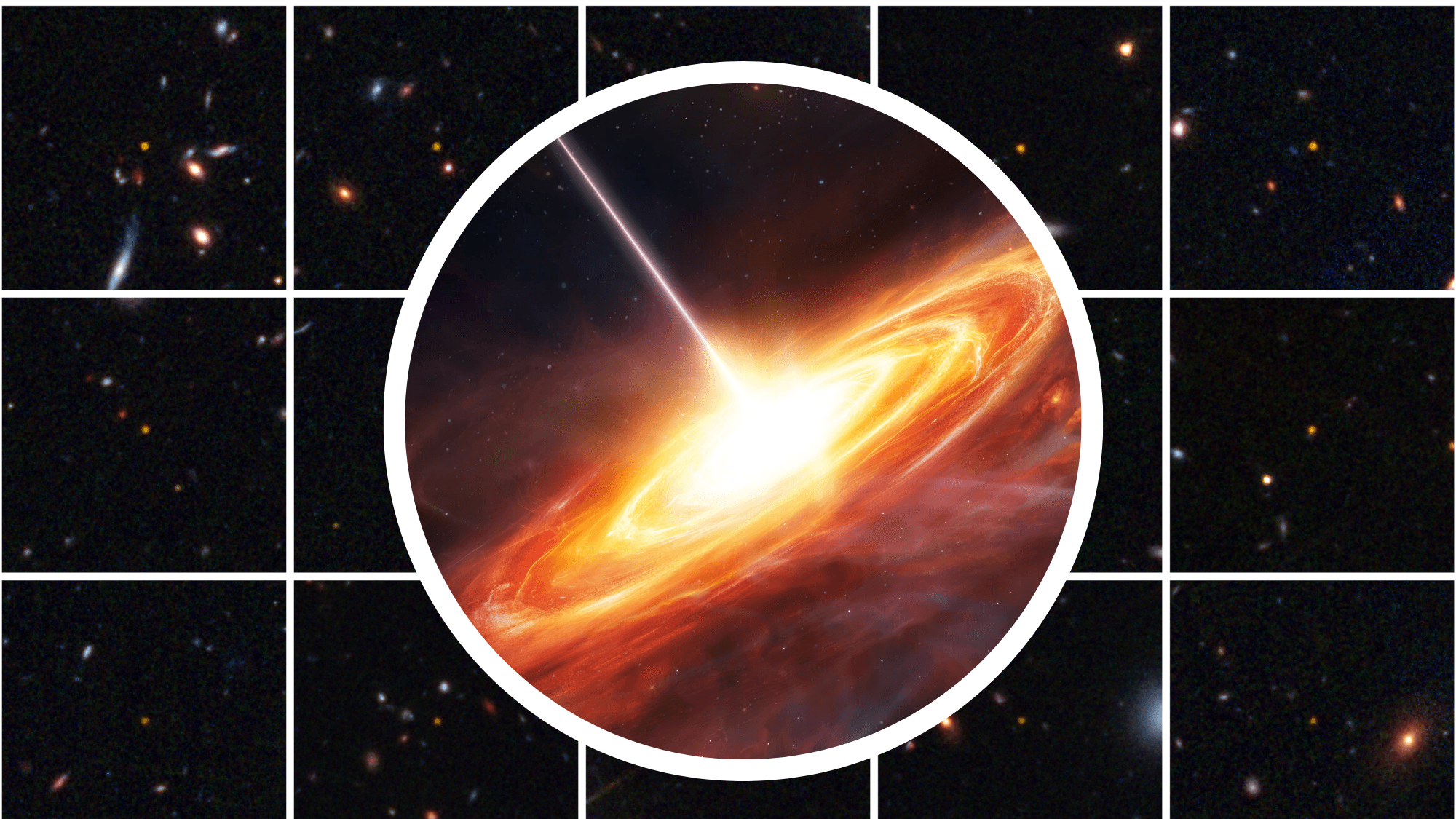
Astronomers have identified the most distant quasar observed to date, formed less than a billion years after the Big Bang, revealing how supermassive black holes assembled in the early universe. The discovery advances understanding of cosmic evolution and challenges existing models of black hole formation.
Space.com · 9 Jul
Science & Discovery
Physicists develop quantum mechanics framework using only real numbers
Researchers have constructed a reformulation of quantum mechanics that produces identical predictions to standard theory while using only real numbers instead of complex numbers, resolving a decades-old theoretical question. The discovery could simplify quantum computations and deepen understanding of quantum mechanics' mathematical foundations.
Live Science · 9 Jul
Science & Discovery
NASA recruits volunteers for year-long simulated Mars and Moon missions
NASA is seeking research volunteers to spend a year in simulated missions to Mars and the Moon, advancing human spaceflight preparation for future deep-space exploration. The program represents a critical phase in NASA's efforts to establish sustained human presence beyond Earth orbit.
Foxweather.com · 9 Jul
Science & Discovery
Milky Way mapped 10% larger than previous estimates
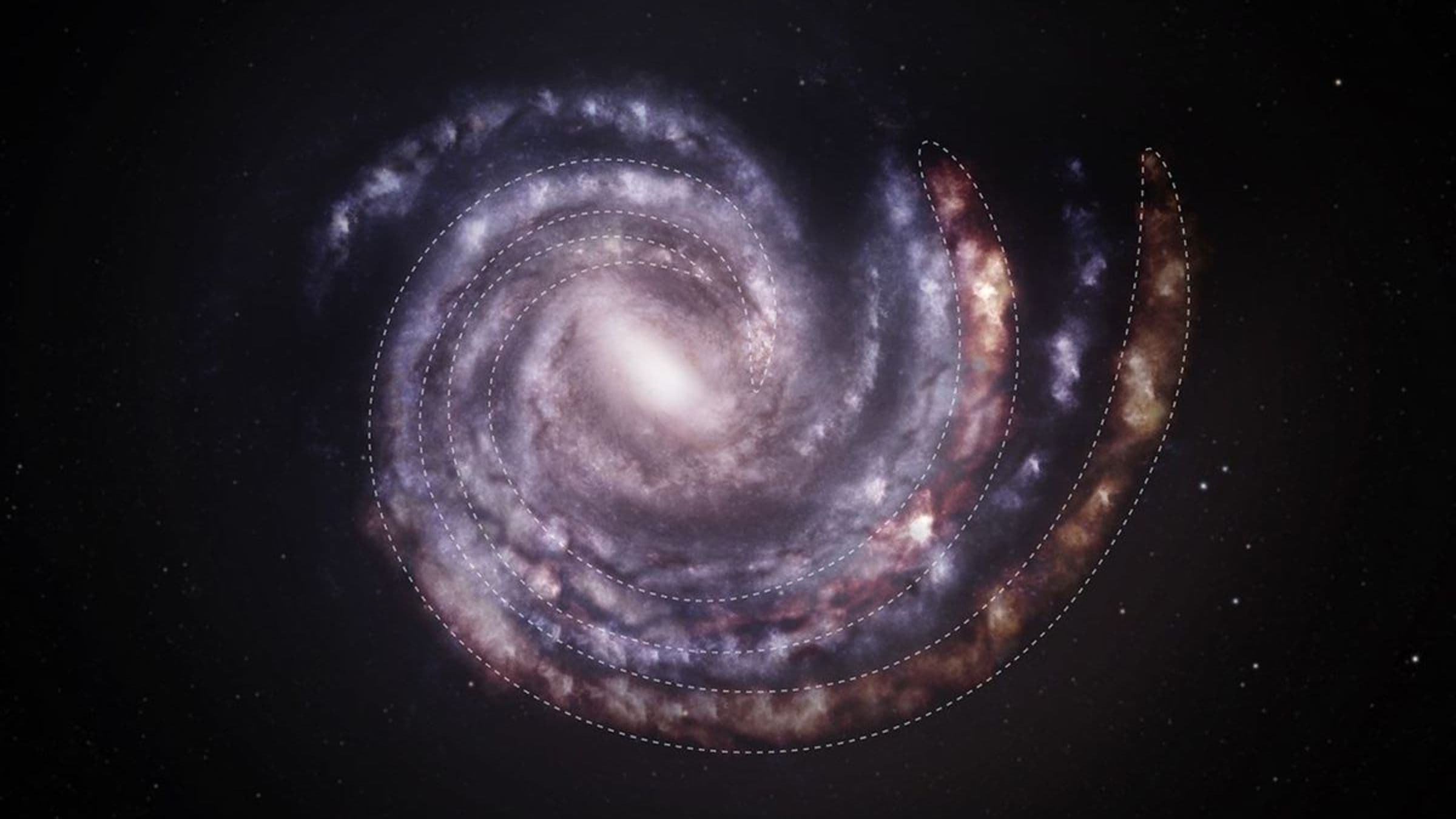
New astronomical measurements reveal the Milky Way's spiral arms extend farther than previously thought, requiring scientists to revise estimates of the galaxy's total size and mass. The findings refine our understanding of our home galaxy's structure and may influence models of galactic formation and evolution.
Live Science · 9 Jul
Science & Discovery
Scientists identify brain waste system linked to chronic fatigue syndrome
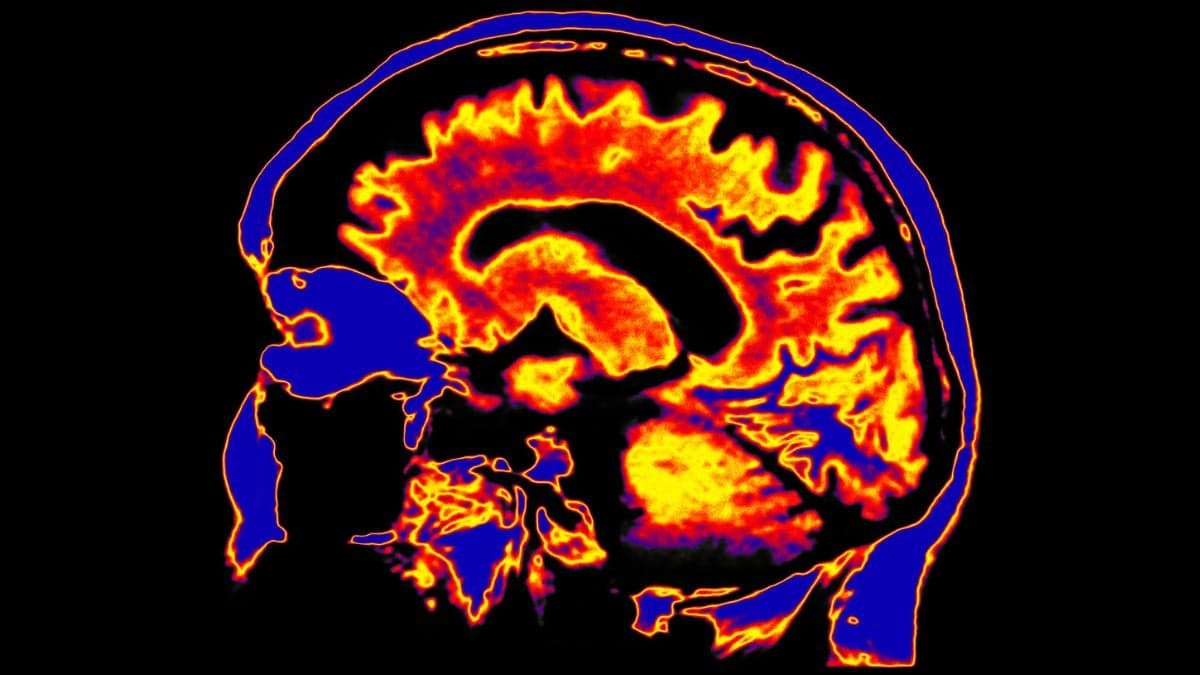
Researchers have discovered direct evidence of the brain's waste disposal system and its potential role in chronic fatigue syndrome, a debilitating condition affecting millions worldwide. This breakthrough could lead to new diagnostic methods and treatments for a disease that has long lacked a clear biological mechanism.
ScienceAlert · 8 Jul
Science & Discovery
NASA's New Horizons becomes third human-made object to leave solar system
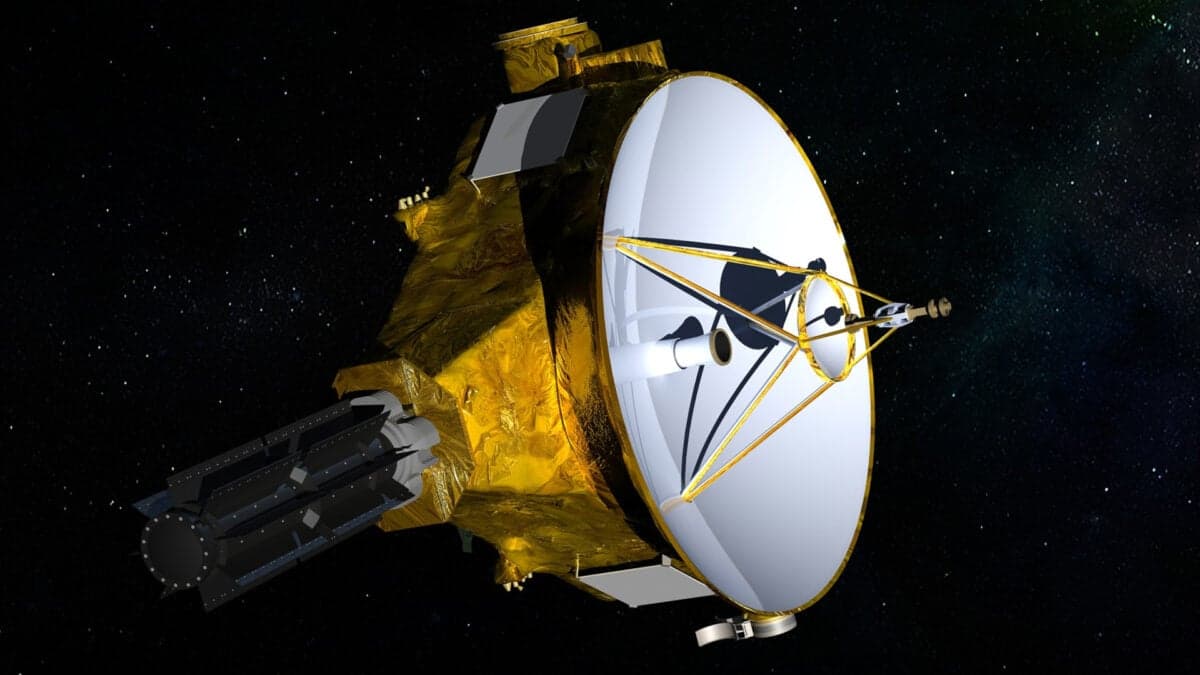
NASA's New Horizons spacecraft, approaching the heliopause boundary after its 2015 Pluto flyby, is set to become only the third human-made object to leave the solar system. The milestone marks a major achievement in deep space exploration and will provide unprecedented data about the boundary between our solar system and interstellar space.
Gizmodo.com · 8 Jul
Science & Discovery
City Labs deploys first commercial nuclear reactor in space orbit
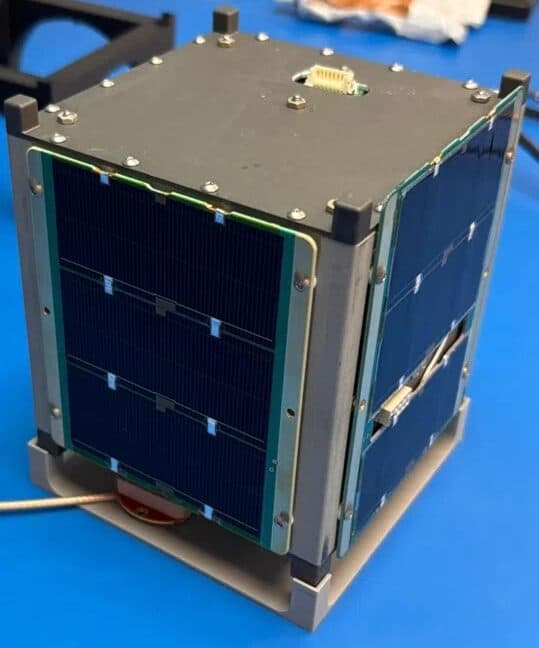
Miami-based City Labs achieved a major milestone by successfully deploying the BOHR mission, the first commercial nuclear power system in space, demonstrating the viability of nuclear propulsion for future spacecraft. The achievement opens a pathway for nuclear-powered deep space exploration and long-duration missions beyond Earth orbit.
Ars Technica · 8 Jul
Science & Discovery
AML classified into 16 epigenomic subtypes, reshaping treatment approaches
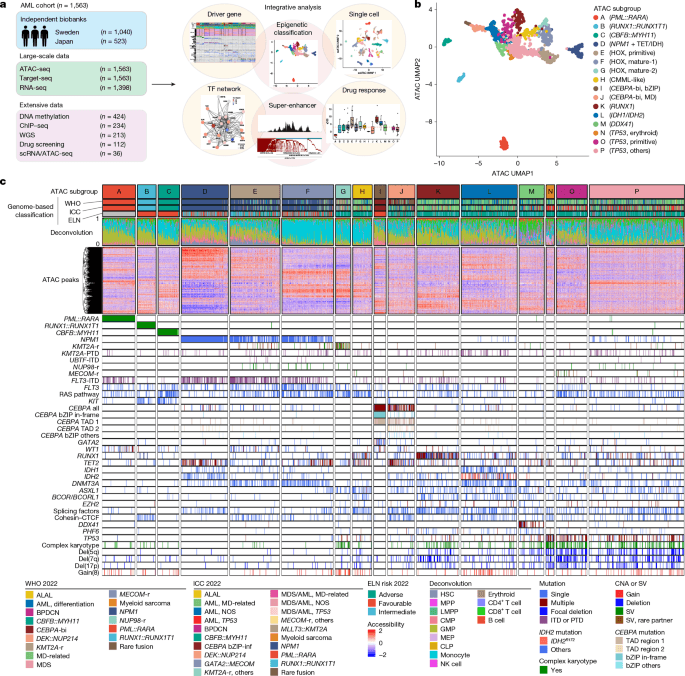
Researchers used ATAC-seq analysis to identify 16 distinct epigenomic subtypes of acute myeloid leukaemia, revealing how non-genetic mechanisms drive disease progression and drug response. This classification framework could enable personalised treatment strategies and improve outcomes for AML patients.
Nature.com · 8 Jul
Science & Discovery
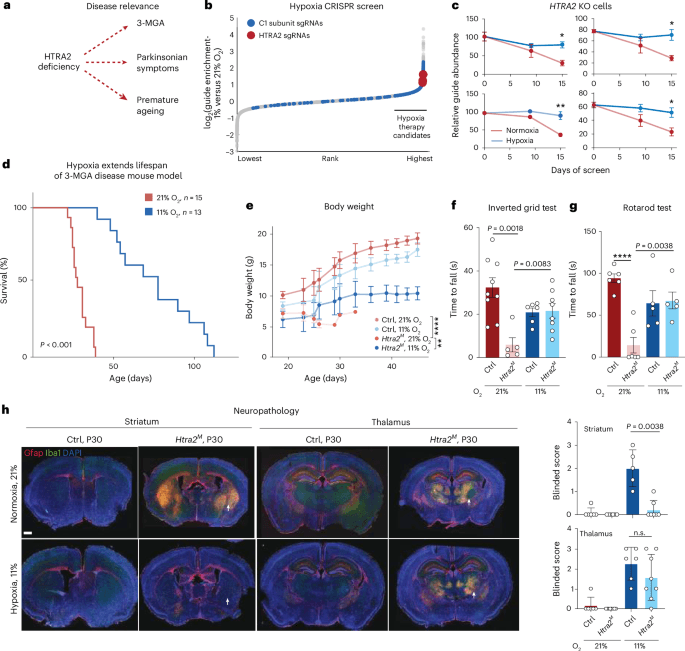
Lowering oxygen levels reverses mitochondrial disease in mice
Researchers discovered that reducing ambient oxygen can rescue a fatal mitochondrial disorder caused by defects in the HTRA2–CLPB protein quality control system. The finding opens a potential therapeutic pathway for complex I-associated diseases and other proteostatic mitochondrial disorders.
Nature.com · 8 Jul
Science & Discovery
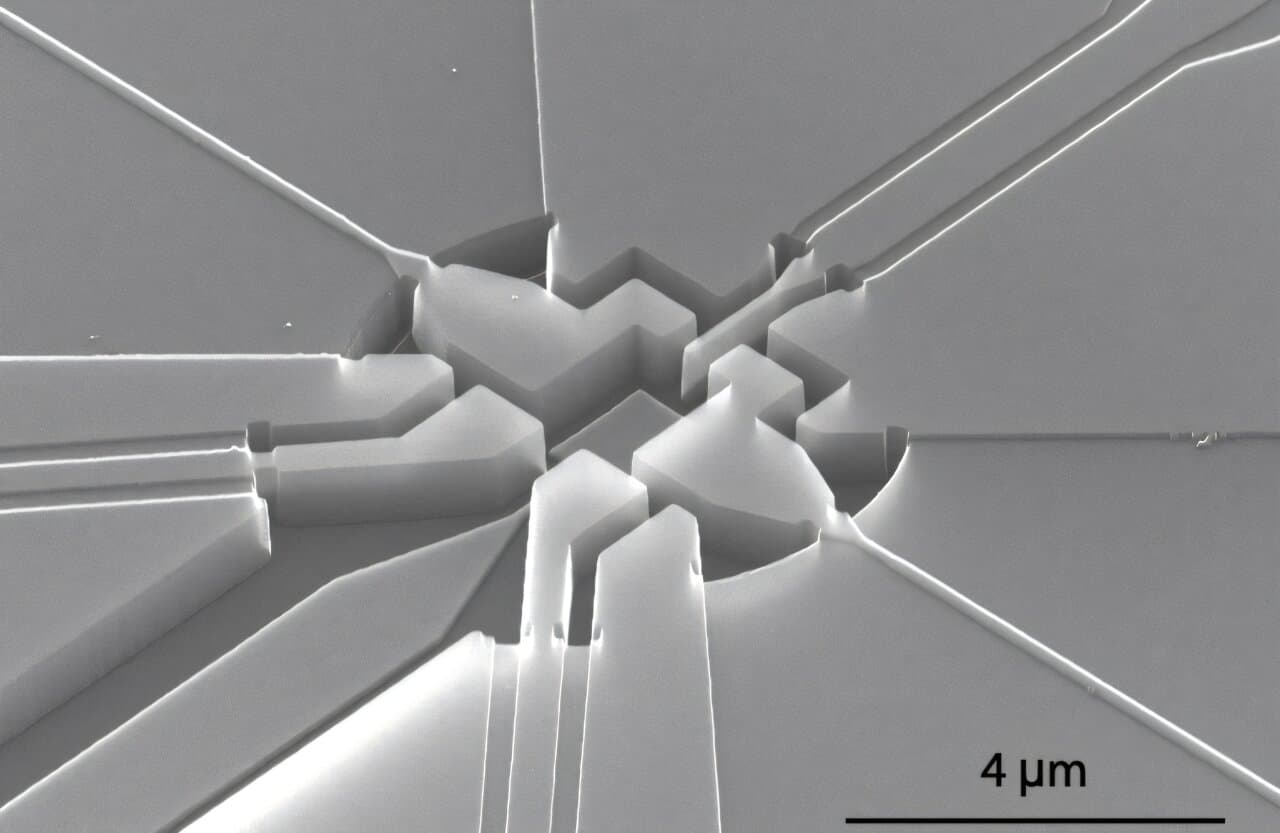
Long-theorized electron-on-helium qubit achieves strong quantum coupling
Researchers successfully demonstrated strong coupling between an electron-on-helium qubit and a single microwave photon, validating a decades-old theoretical concept and advancing a promising approach to quantum computing. The breakthrough could lead to more stable, scalable quantum processors capable of solving problems intractable for classical computers.
Phys.Org · 8 Jul
Science & Discovery
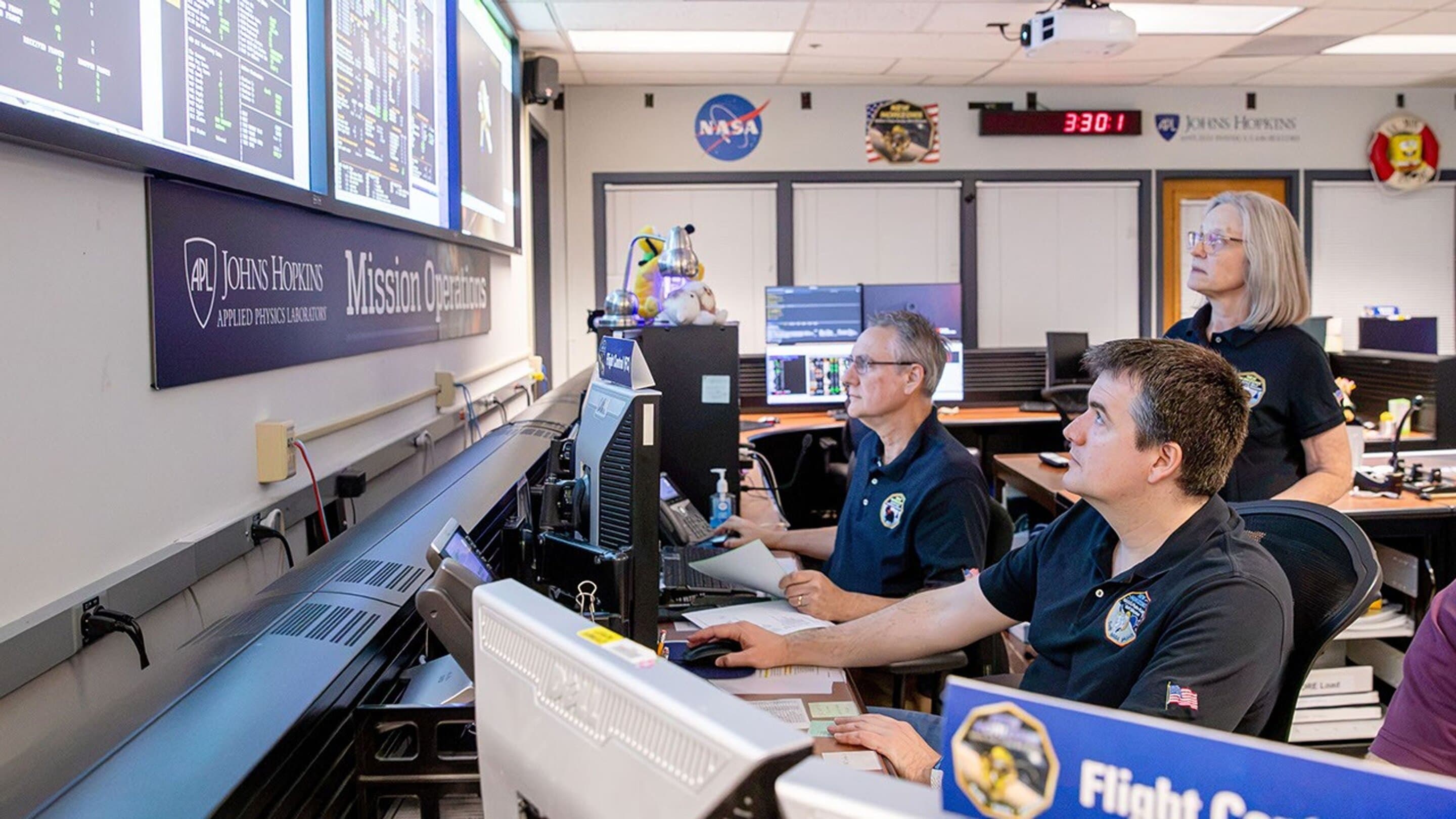
NASA's New Horizons spacecraft resumes science operations after year-long hibernation
NASA's New Horizons spacecraft successfully emerged from its longest hibernation period and is transmitting data from the Kuiper Belt beyond Pluto. The mission continues advancing our understanding of the distant outer solar system and icy bodies at the edge of our planetary neighbourhood.
Phys.Org · 8 Jul
Science & Discovery
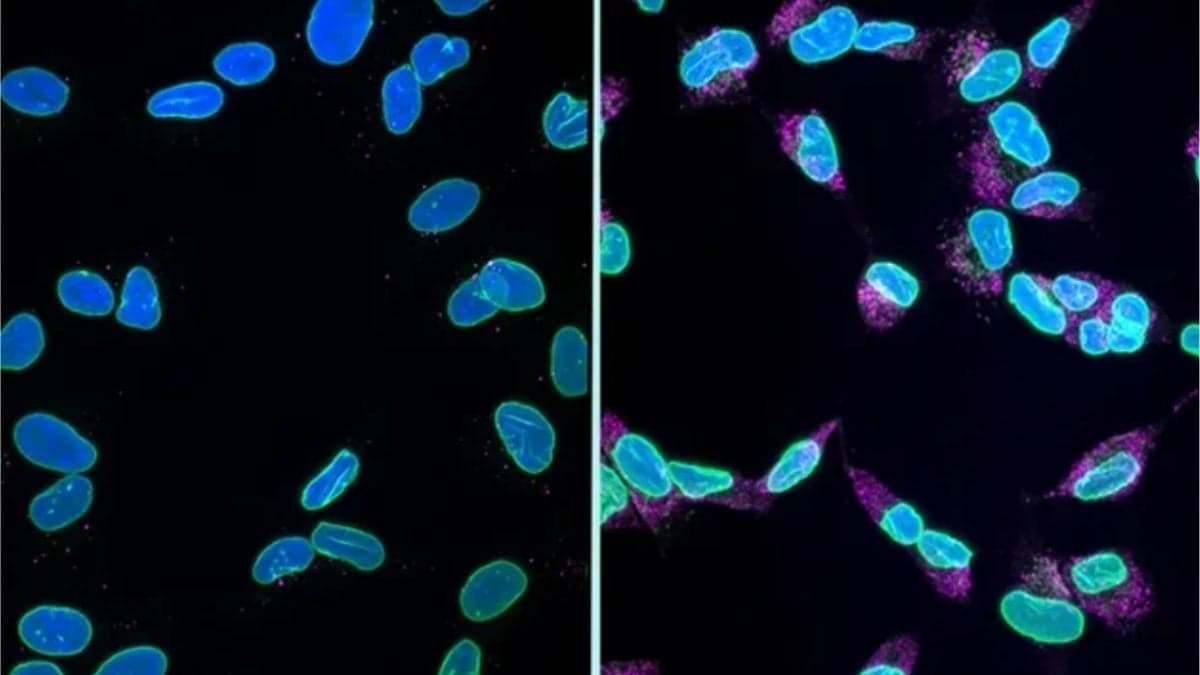
Scientists identify protein mechanism driving Alzheimer's brain cell death
Researchers have discovered how toxic protein buildup inside neurons triggers cell death in Alzheimer's disease, a breakthrough that could accelerate development of treatments for Alzheimer's and other dementias. Understanding this mechanism is a critical step toward halting disease progression in millions of patients worldwide.
ScienceAlert · 7 Jul
Science & Discovery
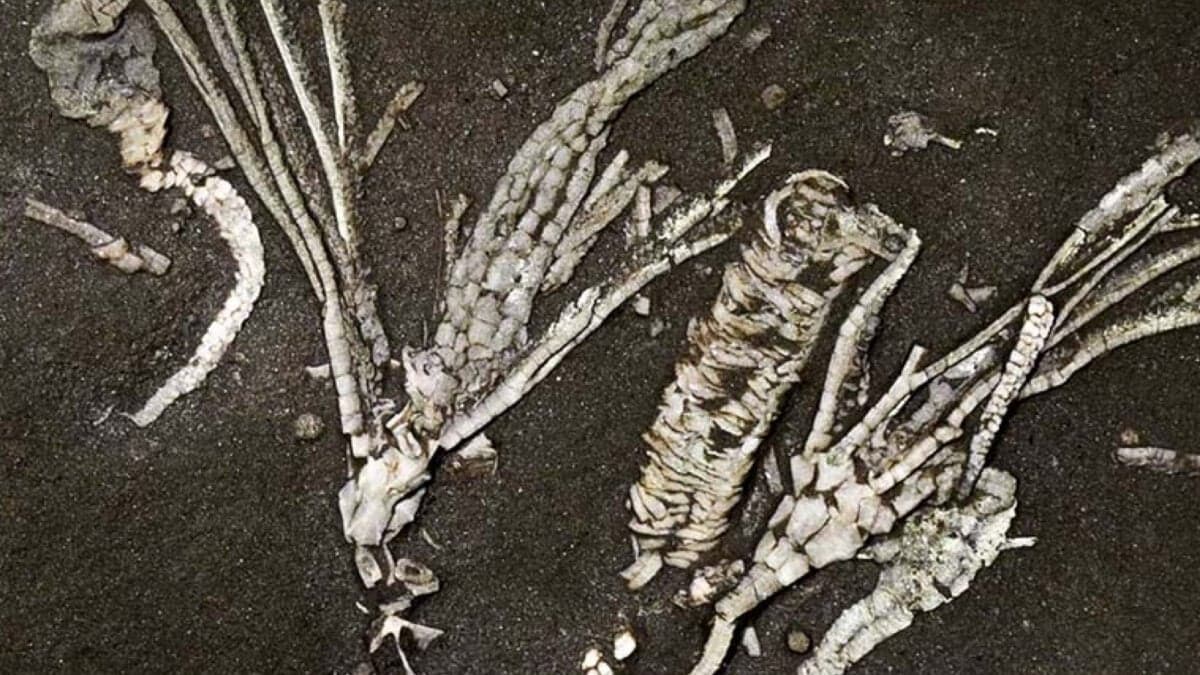
Second intact soft-tissue fossil of 450-million-year-old crinoid discovered
Scientists have identified only the second known crinoid fossil with preserved soft tissues, an exceptionally rare find that could reveal new details about early marine life evolution. The discovery may help researchers better understand the anatomy and development of these ancient starfish relatives.
Gizmodo.com · 7 Jul
Science & Discovery
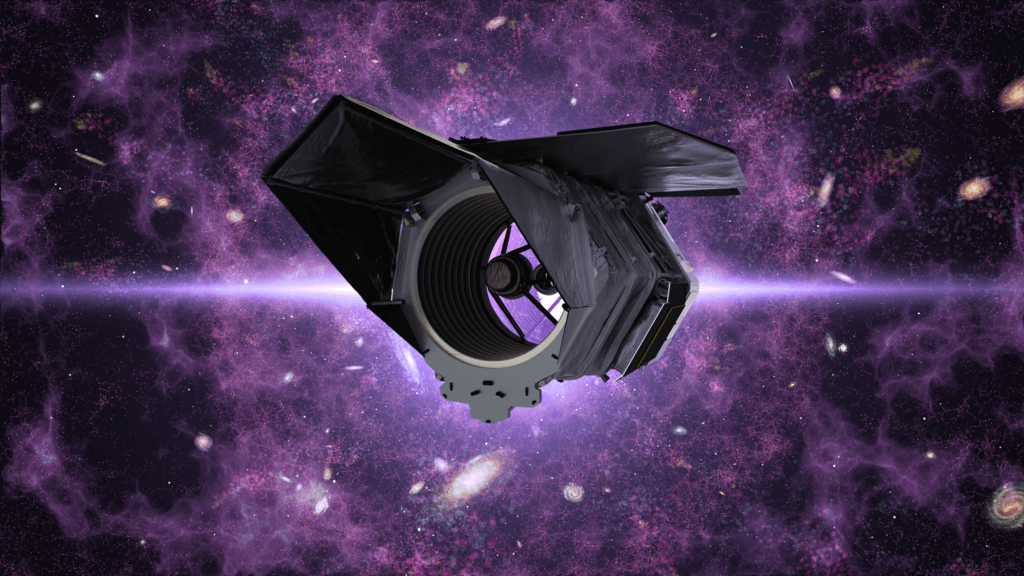
NASA's Roman Space Telescope to discover 100,000 exoplanets after August 2026 launch
NASA's Nancy Grace Roman Space Telescope is scheduled to launch on August 30, 2026, and is expected to discover approximately 100,000 exoplanets—more than all telescopes in history combined. The mission represents a major breakthrough in exoplanet detection and will substantially expand humanity's understanding of planetary systems beyond Earth.
Space Daily · 7 Jul
Science & Discovery
Physicist demonstrates time emergence in closed quantum system
A physicist has experimentally demonstrated how time emerges from within a closed quantum system, validating a key theoretical prediction about the fundamental nature of time. This breakthrough advances understanding of quantum mechanics and the relationship between information and temporal dynamics.
Live Science · 7 Jul
Science & Discovery
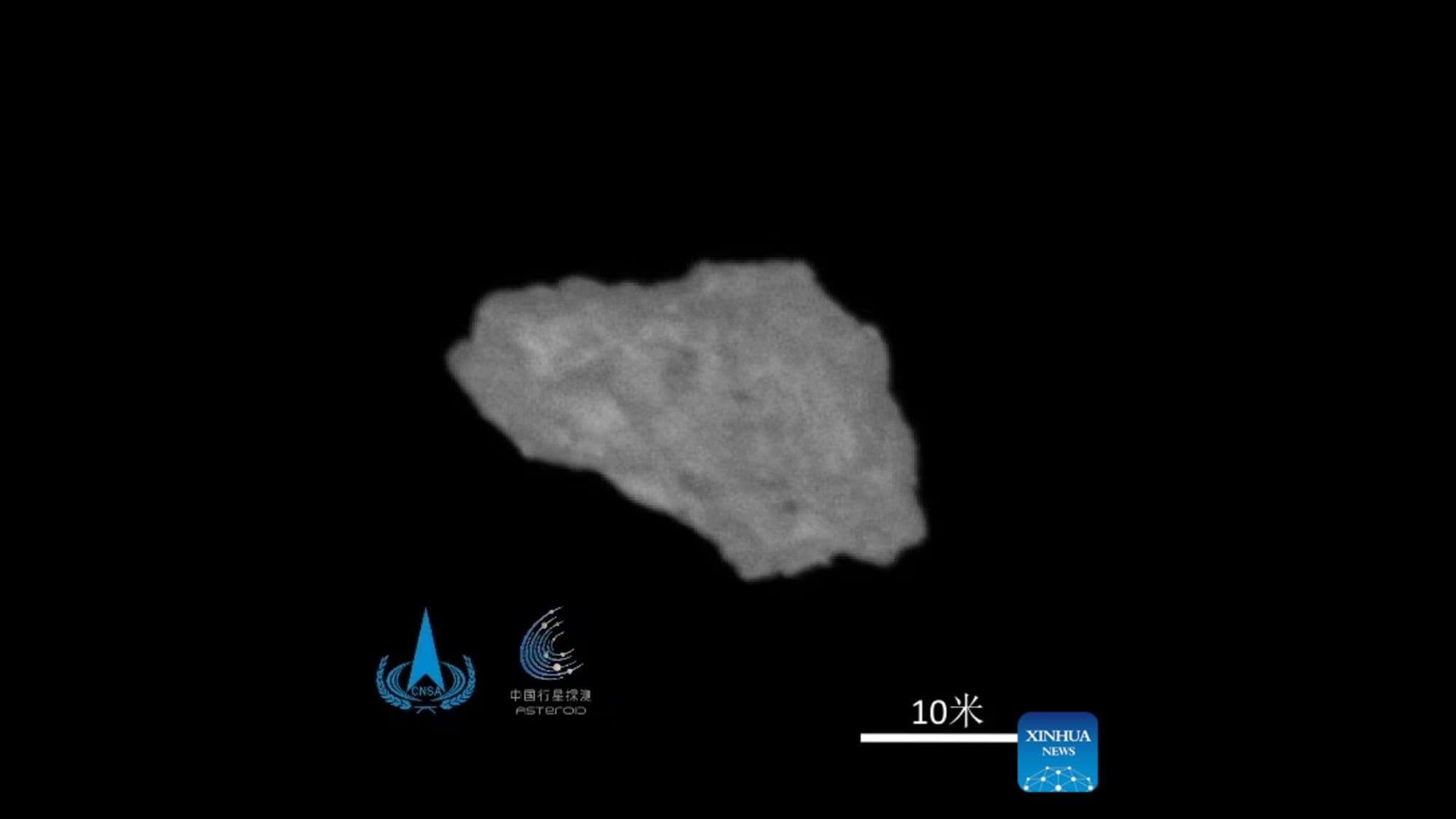
China releases first photograph of Kamo'oalewa, Earth's quasi-moon
China's space programme has captured the first image of Kamo'oalewa, a small asteroid that orbits Earth in a quasi-stable relationship, advancing understanding of near-Earth objects. The discovery supports theories that the object may have originated from the Moon following a massive impact millions of years ago.
Space.com · 7 Jul
Science & Discovery
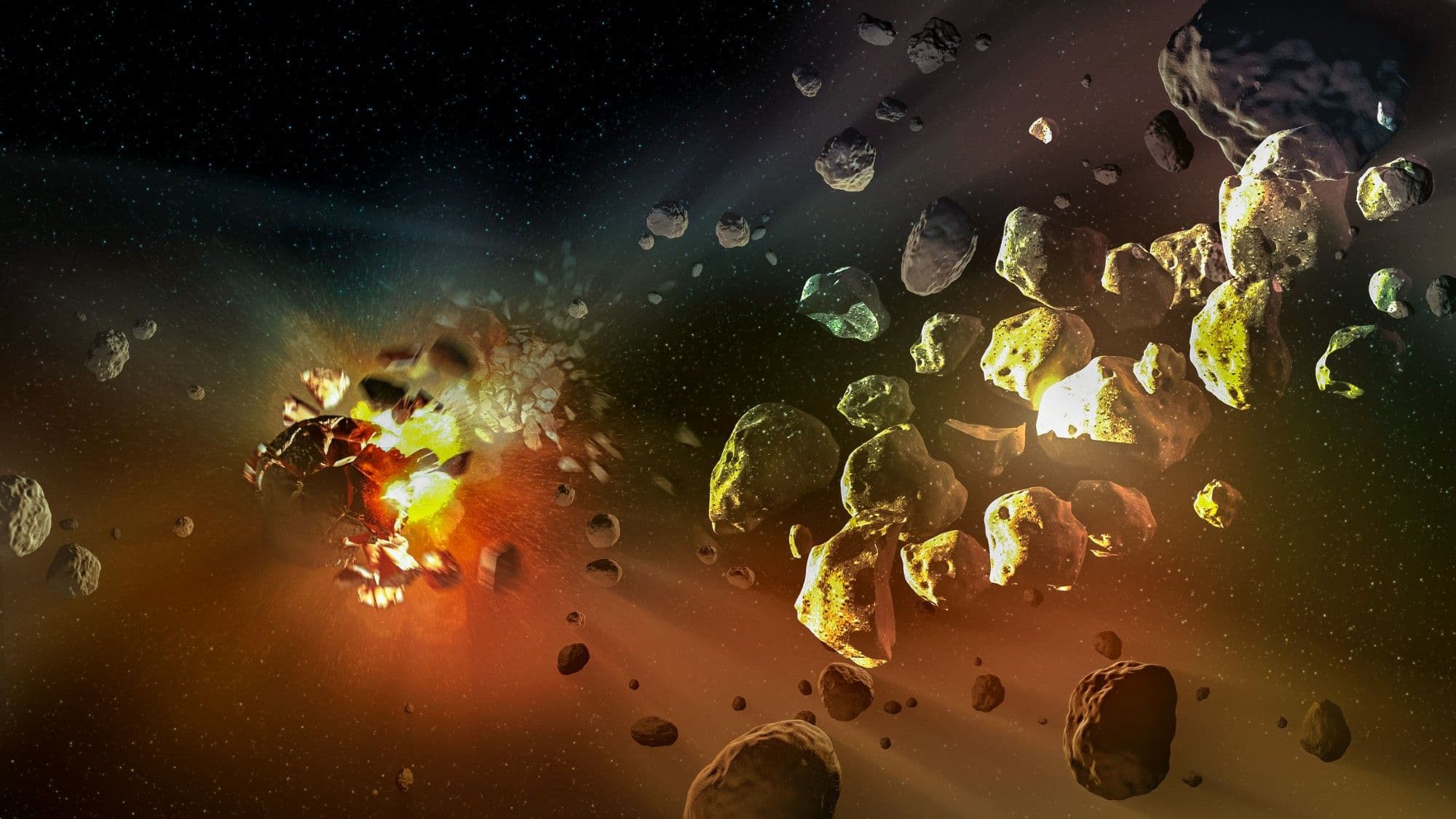
Chinese researchers identify optimal nuclear deflection strategy for near-Earth asteroids
Chinese scientists have determined that shallow-impact nuclear detonations are more effective than deep impacts at deflecting potentially hazardous asteroids away from Earth. This research advances planetary defense capabilities at a critical time as detection of near-Earth objects continues to improve.
Space.com · 7 Jul
Science & Discovery
British startup launches orbital longevity lab to study age-related disease proteins
A British space company has deployed a laboratory in orbit to collect data on proteins linked to Alzheimer's and cancer, using microgravity to conduct experiments impossible on Earth. The resulting datasets will train AI models to predict protein behavior, potentially accelerating drug discovery for age-related diseases.
Wired · 7 Jul
Science & Discovery
Webb detects atmosphere on planet orbiting white dwarf, defying stellar evolution models
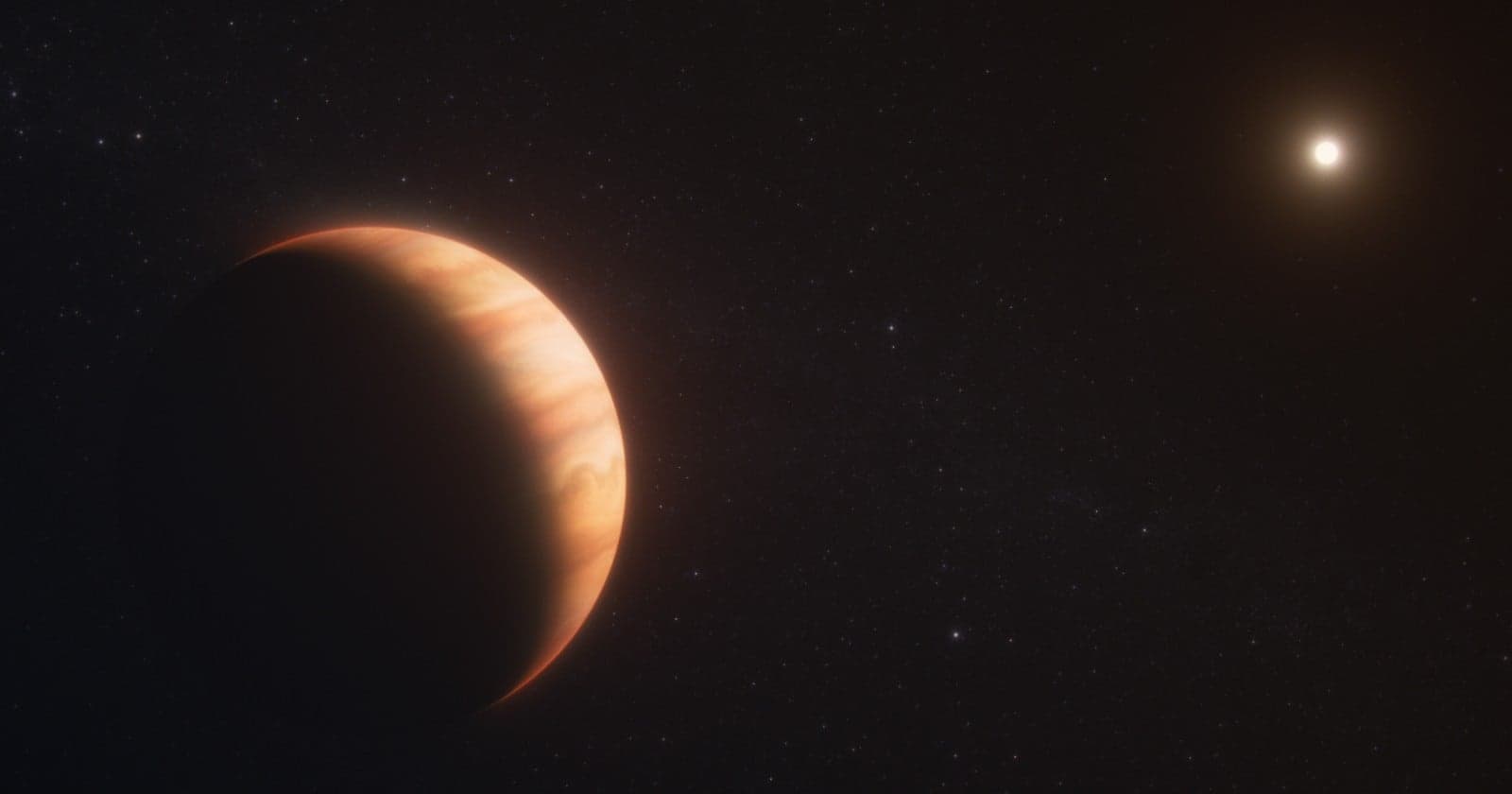
NASA's James Webb Space Telescope has detected methane and haze in the atmosphere of WD 1856 b, a gas giant that survived its star's transformation into a white dwarf—an outcome previously thought impossible. The discovery challenges existing models of planetary survival and marks the first atmospheric analysis of an exoplanet around a white dwarf.
Space Daily · 7 Jul



.png&w=3840&q=75&dpl=dpl_EEf64LiVrCFxi4wen6pvSNaVSyHy)