Environment
Oregon reports zero pesticide-related bee deaths for five consecutive years
Scientists at Oregon State University documented no pesticide-caused bee deaths since 2021, suggesting that public education and responsible pesticide practices can meaningfully protect pollinators. The achievement demonstrates measurable progress in a biodiversity hotspot where citizen action directly influences pollinator survival.
Good News Network · 9 Jul
Environment
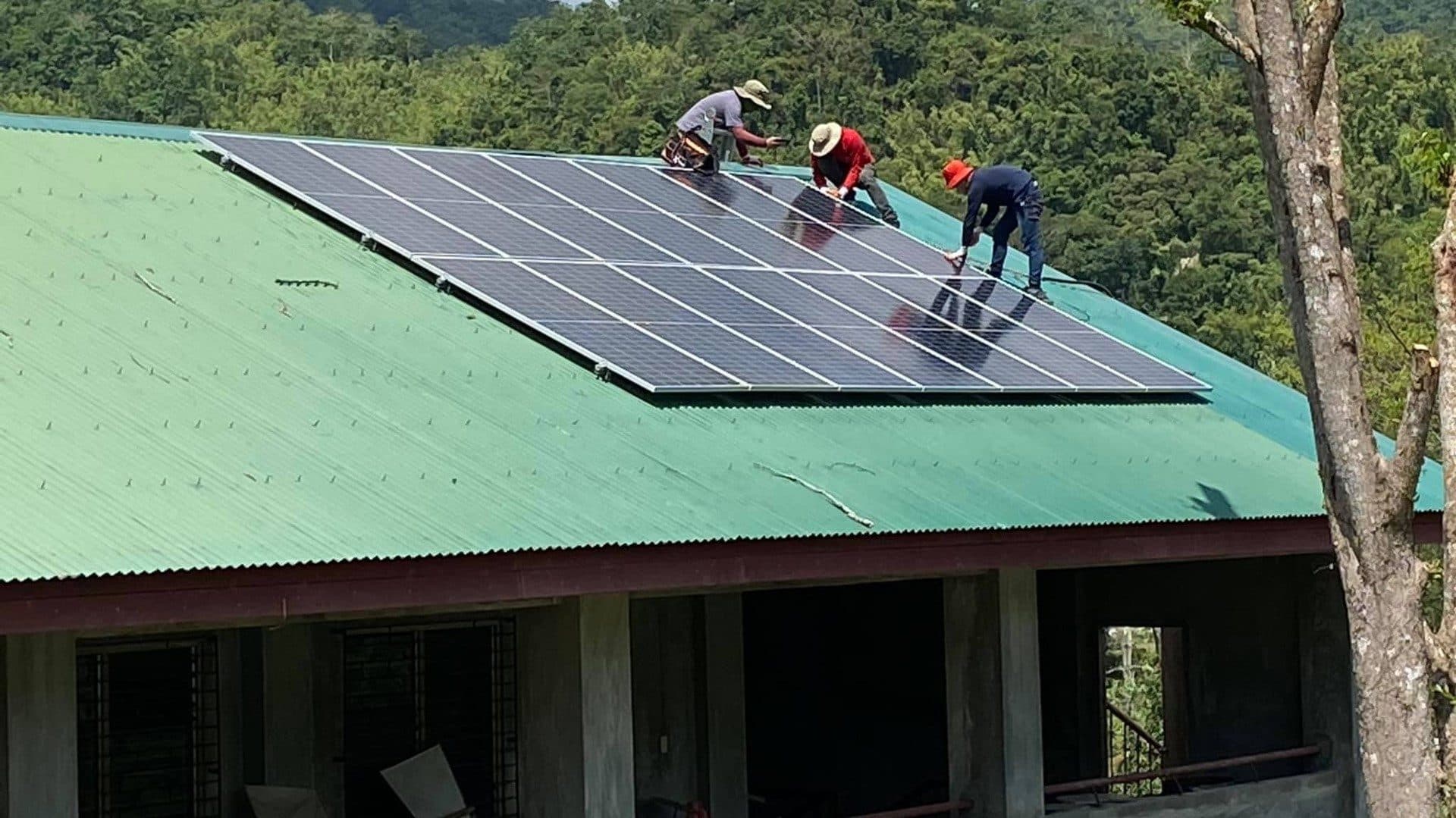
Rooftop solar now supplies one-fifth of Pakistan's electricity
Private investment in residential solar panels has surged in Pakistan, with rooftop installations now contributing 20% of the nation's total power supply, driven by energy shortages and fossil fuel price shocks. The shift demonstrates how distributed renewable energy can address energy security for a population of 150 million.
Good News Network · 6 Jul
Environment
Scientists complete first global map of fungal networks supporting plant life
Researchers have mapped the world's fungal networks that sustain plant ecosystems and influence climate regulation, providing the first comprehensive understanding of these critical underground systems. The mapping enables better predictions of how fungal-plant relationships respond to environmental change and informs conservation strategies.
Wired · 5 Jul
Environment
Updated climate model rules out near-term Atlantic circulation collapse
New research shows Greenland meltwater weakens the Atlantic Meridional Overturning Circulation but finds no imminent tipping point, contradicting earlier catastrophic scenarios. The study suggests gradual rather than abrupt climate system shifts, offering revised projections for long-term ocean circulation stability.
Phys.Org · 4 Jul
Environment
Nigeria reaches 10,000 households with clean cooking gas initiative
The Federal Capital Territory expanded its clean cooking programme to 10,000 households, distributing gas cylinders, burners, and refill vouchers through a partnership with IHS Nigeria. The initiative reduces indoor air pollution and health risks from traditional biomass cooking in underserved communities.
Premium Times Nigeria · 3 Jul
Environment
California bans confusing sell-by labels to reduce food waste
California has prohibited vague 'sell by' dates on food packaging, replacing them with standardized labeling to reduce consumer confusion and food waste. The change aligns with federal standards and could prevent millions of tonnes of edible food from being discarded annually.
The Hill · 1 Jul
Environment
Azerbaijan Reintroduction Grows Caucasian Bison Population to 25 Wild Calves
A seven-year reintroduction programme has successfully bred 25 wild calves from 12 European bison released in Azerbaijan's Shahdagh region, demonstrating that the species can reproduce sustainably outside captivity. The project represents a major conservation milestone for a subspecies that was nearly extinct.
Good News Network · 1 Jul
Environment
Mozambique reintroduces 61 rhinos after decades of civil war losses
Nine female white rhinos have been moved to a southern Mozambique national park as part of a major wildlife restoration effort following species losses during the country's civil conflict. The reintroduction represents a significant milestone in ecosystem recovery and demonstrates regional cooperation on conservation.
Good News Network · 30 Jun
Environment
Pacific Northwest restores 6,000 logs to rivers after reversing decades-old removal policy
Restoration workers in the Pacific Northwest are returning 6,000 logs to rivers using helicopters, correcting a 40-year-old mistake when logs were removed thinking they harmed ecosystems. The logs restore critical fish habitat and stream structure, marking a significant shift in river restoration science.
Upworthy · 30 Jun
Environment
Foothills Land Conservancy acquires 600 acres bordering Great Smoky Mountains
A nonprofit has completed acquisition of the Oliver Tract, a 600-acre property adjacent to Great Smoky Mountains National Park, permanently protecting one of the region's most significant remaining privately held natural areas. The purchase expands conservation buffer around the park and prevents potential development on ecologically valuable land.
Good News Network · 30 Jun
Environment
Philippines solar imports surge 145 percent as rooftop installations accelerate
The Philippines imported $407 million in solar panels in the first five months of 2026, a 145% increase year-over-year, driven by rising electricity costs and growing demand for renewable energy. The surge positions the country as a global leader in residential solar adoption and signals a significant shift toward distributed clean energy in Southeast Asia.
Rappler Philippines · 29 Jun
Environment
Pakistan court grants liberty to 879 zoo animals in landmark ruling
Pakistan's Islamabad High Court closed the Murghazar Zoo and relocated hundreds of confined animals including Kaavan the elephant to sanctuaries, establishing unprecedented legal protections for non-human life. The decision drew on constitutional principles of inherent dignity and set a precedent for animal welfare jurisprudence globally.
Dawn Pakistan · 28 Jun
Environment
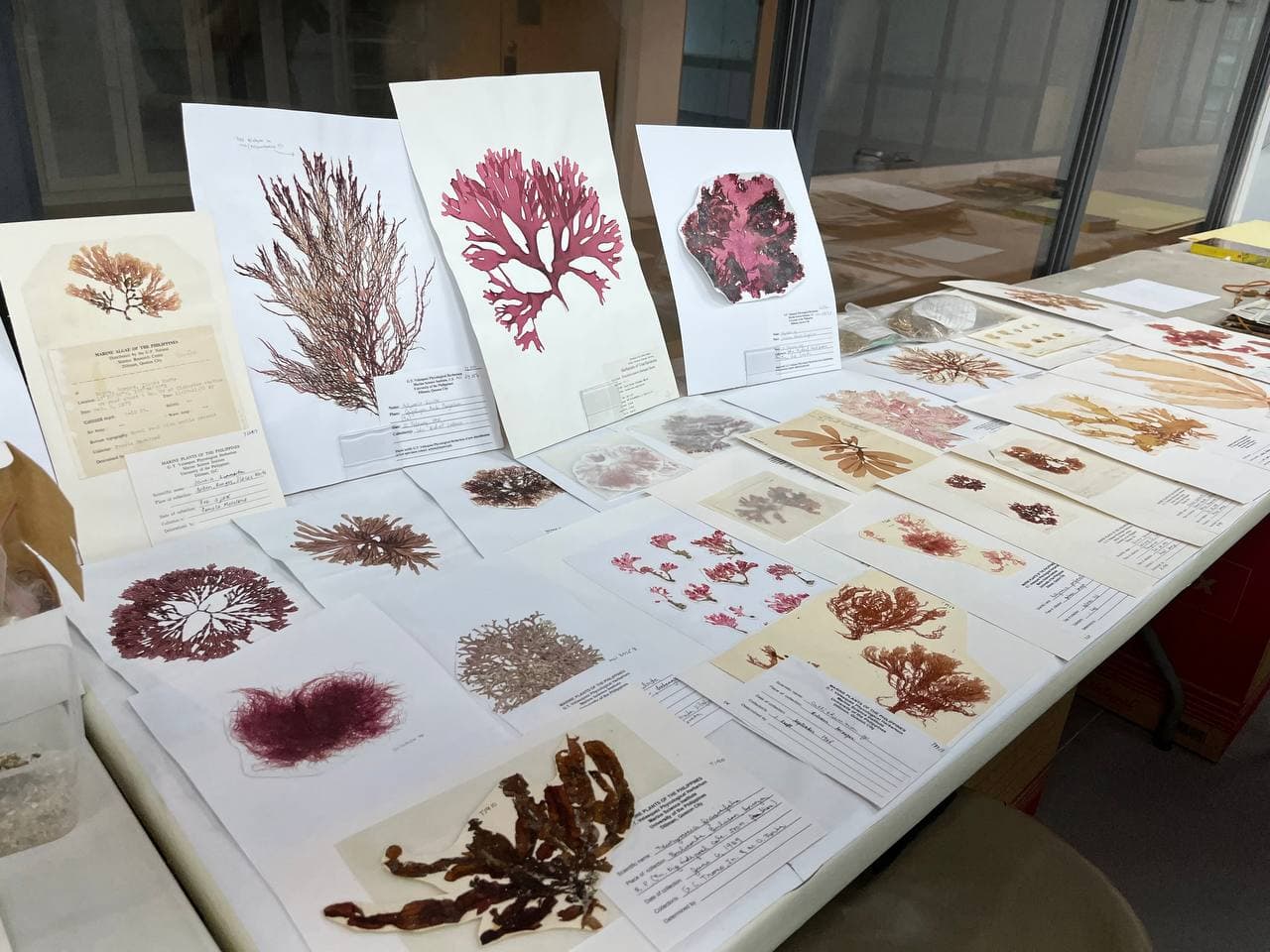
Philippine research museum documents marine biodiversity to support ocean conservation
Marine scientists are building a comprehensive inventory of Philippine ocean species in a new research museum, creating foundational knowledge for national conservation policy. The effort positions the Philippines to participate in international agreements governing ocean resource management and protection.
Rappler Philippines · 28 Jun
Environment
Bavarian Drones Rescue Hundreds of Fawns From Spring Mowing Season
A Bavarian wildlife rescue organization uses thermal imaging drones to locate and relocate fawns hidden in meadow grass before annual mowing, preventing thousands of deaths from machinery. The intervention addresses a preventable seasonal wildlife loss across Germany by combining conservation technology with practical field work.
Good News Network · 27 Jun
Environment
French Guiana establishes 370,000-acre rainforest reserve protecting biodiversity hotspot
France created a new nature reserve in French Guiana encompassing 370,000 acres of intact rainforest and granite peaks, with the same law protecting seven additional landscapes. The reserve protects a significant biodiverse region and represents a major conservation commitment in the Amazon basin.
Good News Network · 26 Jun
Environment
Pakistan restores Gomal Zam hydropower station to full 17.4MW capacity
Pakistan's Water and Power Development Authority has restored the Gomal Zam Hydropower Station to full operational capacity after eight years, adding 8.7MW of clean electricity to the national grid. The facility now generates approximately 90.9 million units of low-cost renewable energy annually while improving electricity supply to remote areas of Khyber Pakhtunkhwa and supporting irrigation for 191,000 acres of farmland.
Dawn Pakistan · 26 Jun
Environment
Italy's forest cover exceeds agricultural land for first time since Middle Ages
Italy crossed a historic threshold in 2020 when forest area surpassed cultivated land for the first time in over 500 years, with woodlands now covering 60,000 square miles. The shift reflects decades of agricultural abandonment and natural reforestation, particularly in mountainous regions, with significant implications for carbon storage and biodiversity.
Good News Network · 26 Jun
Environment
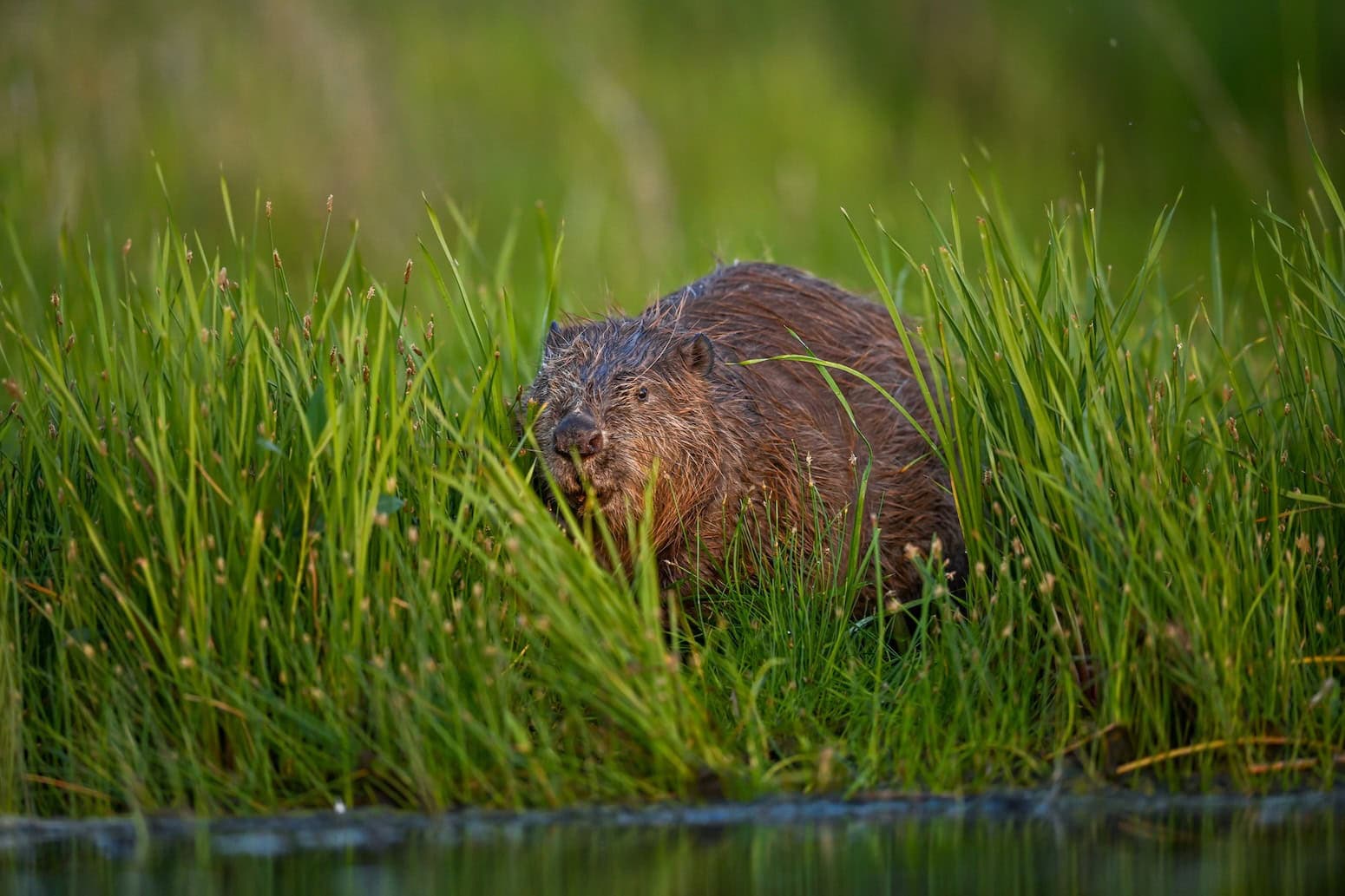
Beavers eliminate flooding costs for west London council
Beavers naturally resolved a flooding problem that would have required significant expenditure from a London council, demonstrating ecosystem-based solutions to infrastructure challenges. The success highlights how wildlife reintroduction can provide cost-effective and ecological benefits to urban areas.
Positive News · 26 Jun
Environment
Two beavers transform northern England forest ecosystem in five-year rewilding trial
A reintroduction project in northern England released two beavers into a forest, where they have measurably improved habitat conditions through their natural engineering activities. The success demonstrates beaver reintroduction as a viable conservation strategy for ecosystem restoration.
Upworthy · 25 Jun


.png&w=3840&q=75&dpl=dpl_EEf64LiVrCFxi4wen6pvSNaVSyHy)